
PUBG: BATTLEGROUNDS anti-cheat ban reports highlight fairness and dignity, using asterisks to balance transparency and privacy.
I have developed a small, almost ceremonial habit around the weekly anti-cheat notice in PUBG: BATTLEGROUNDS. As soon as the list opens, I do not rush to find familiar names. Instead, I scan the formatting, the asterisks, the quiet structure of consequences. It feels like reading a tide chart after a storm: the water recedes, and for a brief moment the damage underneath becomes visible.
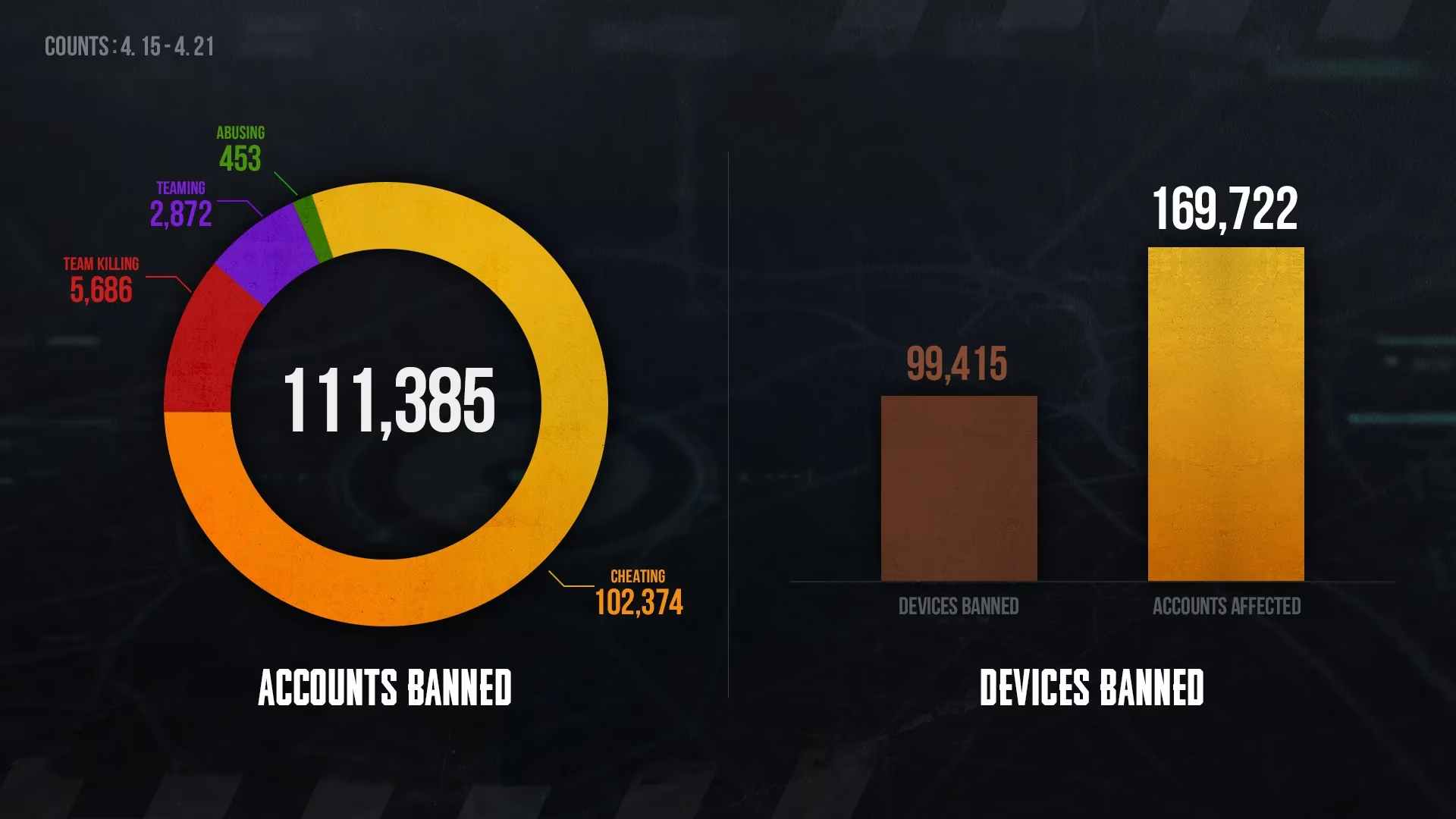
The banned players list for the past week is one of those rare pieces of game communication that asks for reflection rather than celebration. Every line on that page is a small fossil of a decision gone wrong. The report I read recently covered a seven-day investigation period, and the format has remained steady enough to become a kind of lighthouse for players who care about fairness. The notice explains that in-game nicknames are displayed with the first three letters replaced by asterisks. That simple visual choice creates a strange intimacy: we see enough to recognize a shadow, but not enough to turn a punishment into a public spectacle.
This asterisk veil is not there to protect cheaters. It is there to keep the process dignified. I think of it as a paper screen over a damaged window. You can hear the wind, you can see the outline of the crack, but the glass is not thrown in anyone's face. It makes the list feel less like a pillory and more like an audit.
What the list actually shows
The report I studied included permanently banned accounts only, which means the listed players were not given a temporary suspension. They were removed from the shared space for good. That finality matters. In a game where a single unfair encounter can erase twenty minutes of careful positioning, permanent bans are the only language some offenders understand.
The notice does not expose full nicknames. The first three characters become asterisks, so a name like ****er_77 leaves just enough information for a victim to feel heard without creating a new wave of harassment. It is a deliberate balance, and I respect the restraint. Too many communities allow ban lists to become revenge boards. This one avoids that trap.
Why I keep reading
I read these notices not because I enjoy punishment, but because they remind me that the game's fairness is maintained by constant, invisible labor. Illegal software acts like termites chewing at the load-bearing beams of fair play. You rarely see them while they work. You only notice the damage when a floorboard gives way under your feet. The weekly ban list is one of the few moments when the pest control report is made public.
That metaphor stays with me every time I drop into Erangel or Miramar. When I lose a fight that feels mathematically impossible, I do not immediately call the other player a cheater. I open the replay, slow down the frames, and look for signs. If the evidence is strong, I report them through the in-game system. If I need additional assistance, I contact PUBG Support. The process is not instant, but it is meaningful.
The armor of Steam Guard Mobile Authenticator
One part of the notice always stops me: the warning about protecting my own account. A valuable account can be abused or banned for using illegal software or misconduct, even if the original owner never touched a cheat. That thought is uncomfortable, like finding your house keys in a stranger's pocket while you are still standing inside the locked door.
The recommendation is to sign up for Steam Guard Mobile Authenticator. I remember setting it up as a mild inconvenience, but now it feels like a locked gate on a dark road. The basic flow looks like this:
-
Open the Steam mobile app on a phone linked to the account.
-
Navigate to the shield icon for Steam Guard.
-
Select Steam Guard Mobile Authenticator.
-
Follow the prompts to confirm the phone number and complete setup.
Once enabled, any login attempt from a new device requires a code from my phone. That extra step makes account theft far less likely. If my account were ever stolen and used with illegal software, I might appear on one of these lists without ever knowing why. That possibility alone is enough to make me check my authenticator settings every few months.
A fair gaming environment is a shared project
Every week, the PUBG Anti-Cheat Team repeats the same quiet promise: they value our interest and opinions, and they will do their best to provide a fair gaming environment. I have learned not to hear that as corporate language. I hear it as the voice of lamplighters mending a net in the dark. We players only see the glow of the lamp. We rarely see the hands pulling the threads back together.
The banned list is not entertainment. It is a maintenance log. It tells me that someone is watching, someone is investigating, and someone is willing to remove rotten wood from the structure even when it is easier to paint over the damage.
I will keep reading these reports. Not because I expect the war against illegal software to end, but because I want to remain a player who notices which beams are being repaired. That awareness, I think, is the smallest contribution any of us can make.
Thank you to everyone who reports suspicious behavior instead of shrugging it off. You are part of the same quiet repair crew. And to the anti-cheat team: the asterisks may hide names, but they do not hide the effort.
🎯 Report first. Reflect always. Play fair.
Industry analysis is available through GamesIndustry.biz, and it helps contextualize why PUBG’s weekly ban notices read less like drama and more like operations reporting: anti-cheat work is an ongoing cost of running a competitive live-service game, where trust and retention depend on players believing that enforcement is consistent, proportionate, and continuously updated as cheat providers adapt.