
The pivotal 2018 PUBG Xbox free weekend was a strategic masterstroke to fortify player loyalty amidst fierce Fortnite competition and the looming end of console exclusivity.
Looking back from 2026, that free PlayerUnknown's Battlegrounds weekend on Xbox in late 2018 feels like a distant, pivotal moment in gaming history. It wasn't just a simple promotional stunt; it was a strategic maneuver that spoke volumes about the shifting tides in the battle royale genre. I remember the buzz—the promise of experiencing the gritty, tactical chaos of PUBG without the upfront cost, timed perfectly with the Xbox X018 event. Microsoft was clearly making a play, wasn't it? With rumors swirling about the impending end of console exclusivity and a PlayStation 4 launch on the horizon, this free trial felt like a final, passionate plea to the Xbox community: "Stay with us." The game, having just shed its "Game Preview" label, was still famously rough around the edges, yet it held a unique, uncompromising charm that its polished competitor, Fortnite, simply didn't offer. Could a single free weekend really fortify player loyalty in the face of such competition and the monolithic release of Red Dead Redemption 2? That was the million-dollar question.
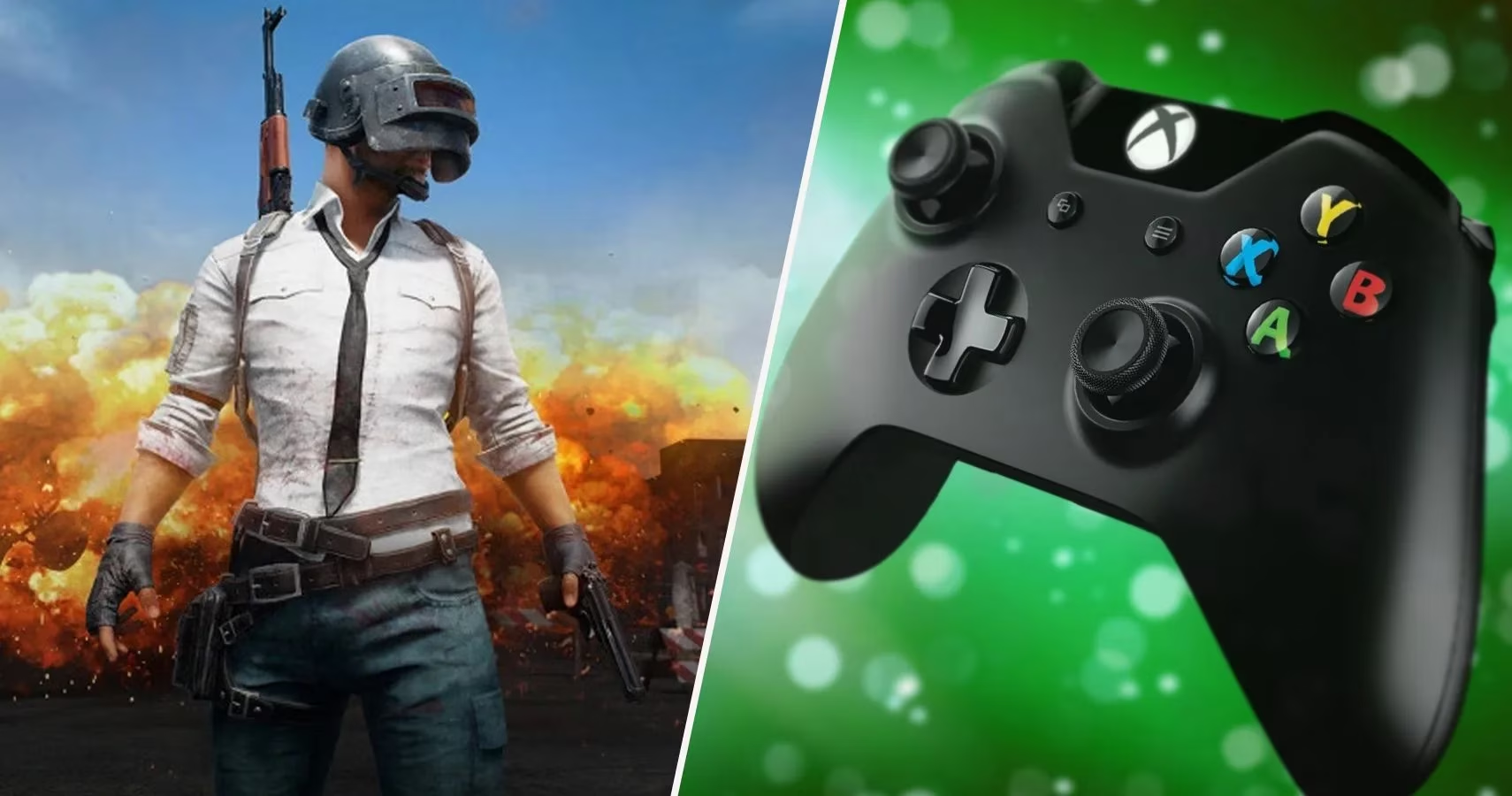
The Strategy Behind the Free Weekend
Microsoft's timing was undeniably sharp. Let's break down the tactical elements at play:
-
The X018 Synergy: Hosting the free demo concurrently with their major showcase was a masterstroke in cross-promotion. It funneled hype directly from the event into the game itself.
-
The Exclusivity Countdown: With the exclusivity window closing, this was a last-chance effort to deeply embed PUBG into the Xbox ecosystem before players might be tempted by a shiny new PS4 version.
-
The Fortnite Shadow: The elephant in the room was always Fortnite's staggering success with its free-to-play model. This weekend was, in many ways, a controlled experiment. Could PUBG generate similar buzz and player engagement without fully committing to going free?
The promotion's fine print was clear—this was a temporary demo, a fleeting taste. After November 11th, the price tag of $29.99 would return. This created a powerful sense of urgency. For many, including myself at the time, it was the perfect opportunity to finally convince skeptical friends to drop into Erangel and experience the heart-pounding tension of that "Winner Winner Chicken Dinner" chase.
The State of PUBG: A Game in Transition
From my perspective as a dedicated player, the 2018 version of PUBG on console was a fascinating beast. It was a game defined by its contrasts:
| Aspect | Reality in 2018 | Player Sentiment |
|---|---|---|
| Gameplay Core | Unmatched tactical, high-stakes gunplay and survival. | Deeply rewarding and uniquely intense. 🤯 |
| Technical State | Notorious for bugs, performance issues, and jank. | Frustrating, but often part of the "charm" for hardcore fans. 🐛 |
| Business Model | Premium price point in a market trending free-to-play. | Seen as increasingly outdated compared to competitors. 💰 |
| Content | New maps (Miramar, Sanhok) were rolling out, adding variety. | Kept the experience fresh and strategic. 🗺️ |
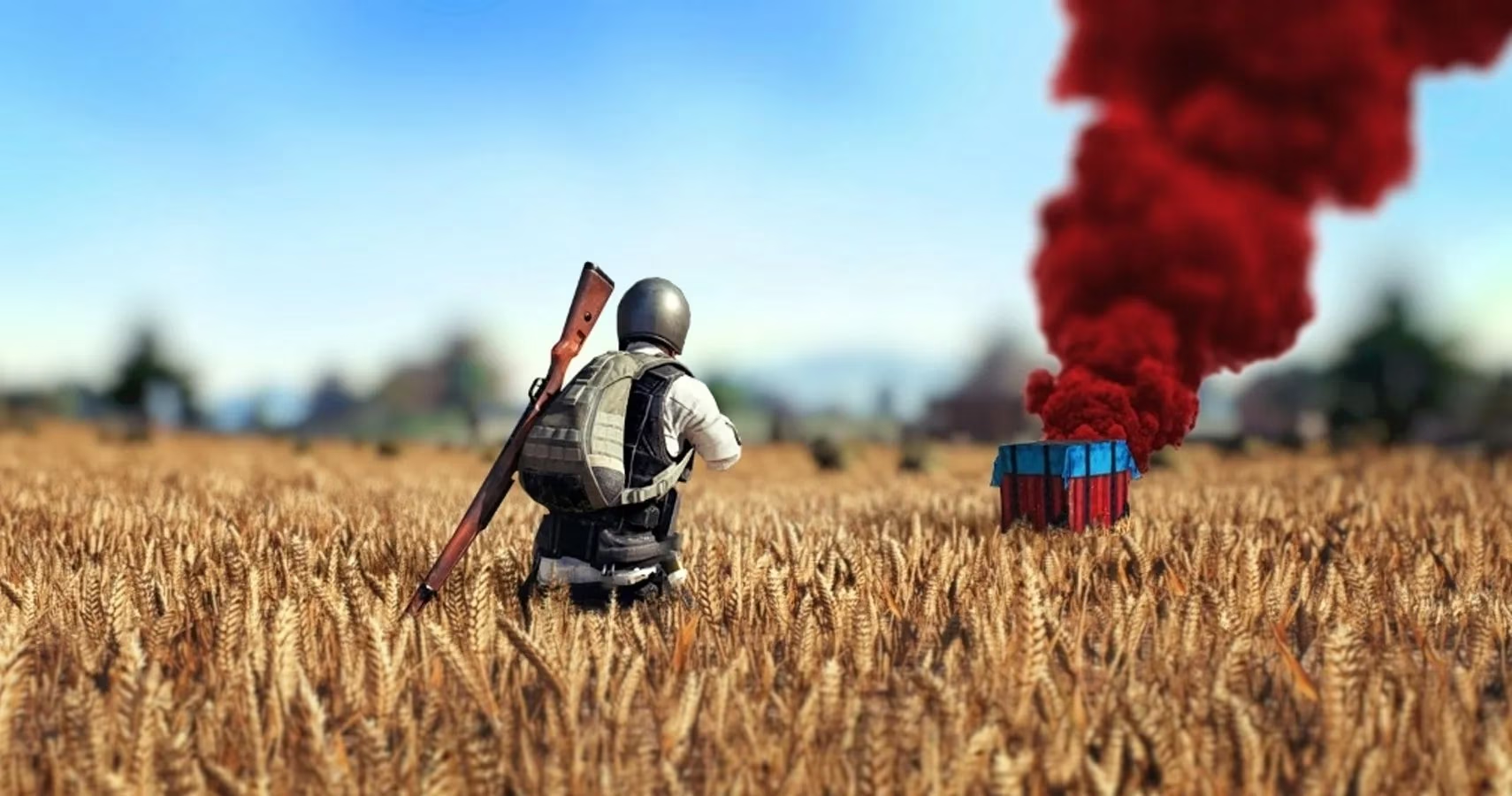
The community was fiercely divided. One camp argued passionately that the game's quality and depth justified its price. The other, growing louder, echoed the sentiment from many articles back then: Shouldn't PUBG just be free already? They pointed to the lucrative cosmetic economies of other games, suggesting that model could fund continued development and open the doors to a massive, sustained player base. This free weekend was a direct response to that debate—a test balloon sent into a stormy market.
The Bigger Picture: A Genre at a Crossroads
That weekend wasn't just about PUBG; it was a microcosm of the entire battle royale genre's evolution. We had:
-
The Established King (PUBG): The pioneer, clinging to its premium identity while wrestling with technical demons.
-
The Cultural Phenomenon (Fortnite): The free-to-play titan, reshaping live-service gaming with its constant evolution and crossover events.
-
The New Contenders: Various other games were entering the fray, each trying to carve a niche.
Throwing Pro Evolution Soccer 2019 into the same free promotion was a clever move by Microsoft, acknowledging that not everyone lived and breathed battle royale. But the core challenge remained: In an era where player time and attention are the ultimate currencies, can a limited-time offer create lasting attachment? For some, that weekend was the beginning of a long PUBG journey. For others, it was a fun diversion before returning to the sprawling worlds of other games.
Looking Back from 2026
With the benefit of hindsight, we can see that weekend as a crucial learning moment for the industry. It demonstrated the power of strategic access. While PUBG did eventually adopt free-to-play models on various platforms in the years that followed, that initial, cautious weekend demo was a landmark. It proved that even a "finished" game could benefit from removing the barrier to entry, if only temporarily, to reinvigorate its community and attract new blood.
The questions it raised were profound: What is the true value of a game? Is it in the initial purchase or in the long-term service and community? The tactics tested that weekend—urgency, event synergy, and direct competition with free alternatives—became standard playbook material for countless game launches and revitalizations in the late 2010s and early 2020s. So, was it enough to tear people away from Red Dead Redemption 2 back then? Perhaps not entirely, but for a dedicated few, it was the start of an addiction to the pure, unadulterated thrill of the battlegrounds—a thrill that, in many forms, continues to define multiplayer gaming to this day.