
Fortnite Mobile's direct-purchase shop and Battle Pass beat PUBG Mobile's loot boxes 5:1 on iOS, ending random crate monetization by 2026.
I remember the day everything changed. It was back in 2018, and I was sitting on my couch, thumb hovering over my phone screen, ready to dive into the new Fortnite mobile invite event. At the time, the gaming world was a very different place. Loot boxes ruled everything. You couldn't open a new release without bumping into a supply drop, a crate, a pack – whatever fancy name they gave it – all asking for a few dollars in exchange for a random chance at a cool skin or a weapon variant. It felt predatory, but we all accepted it, because that's just how games were designed.
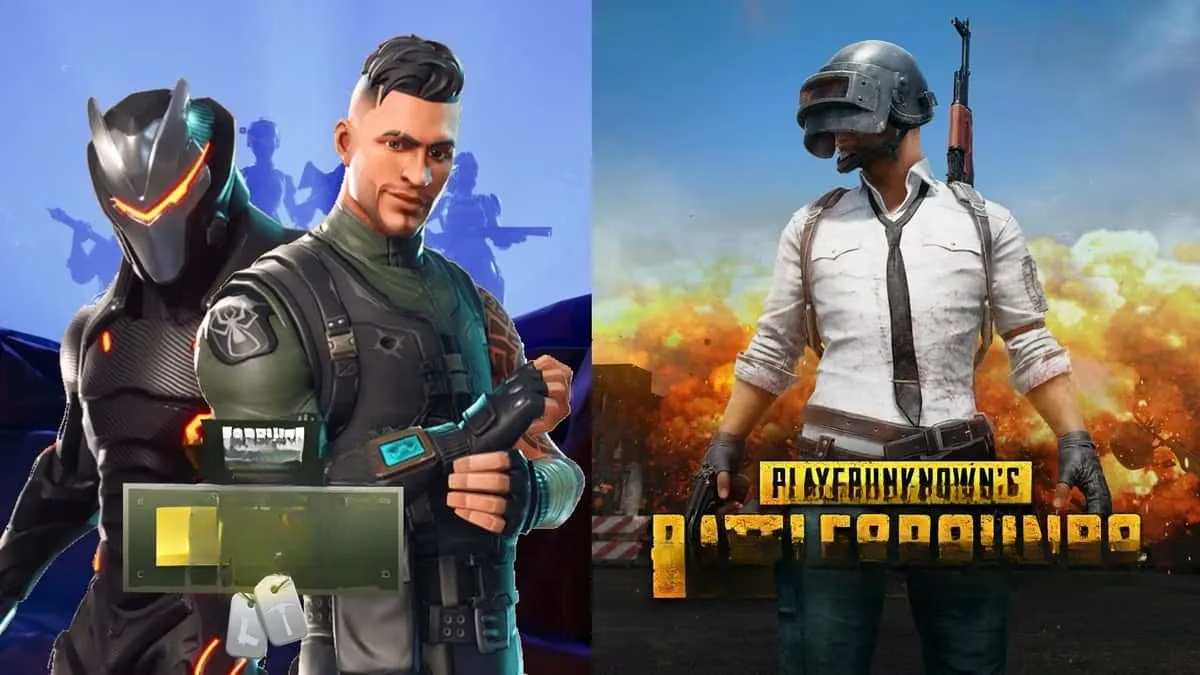
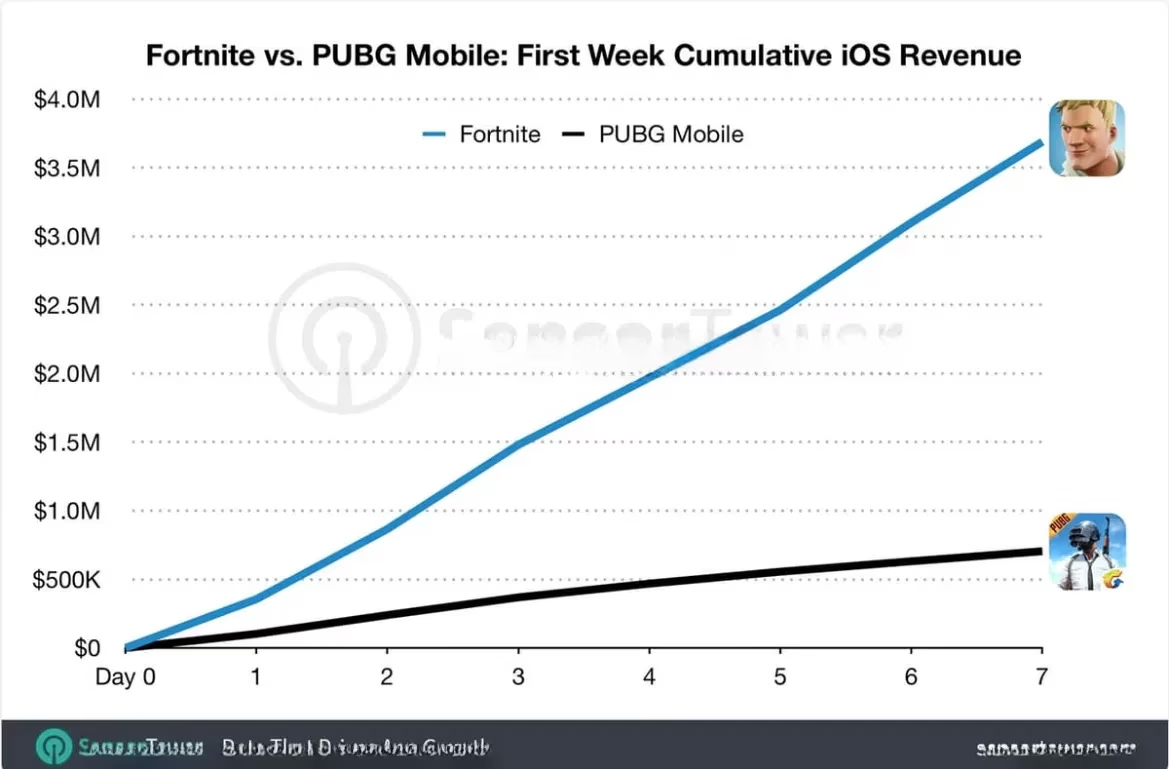
But Fortnite on iOS did something unpredictable. It didn’t just challenge PUBG Mobile – it rewired how millions of players like me thought about spending money in a free-to-play game. SensorTower’s data from that period still blows my mind, even looking back from 2026. PUBG Mobile had 22 million iOS players outside China before it even turned on monetization. Fortnite, held back by its invite-only launch and iOS exclusivity, scraped together only 3.7 million downloads in its first week. Yet, Fortnite was generating revenue at a 5:1 ratio compared to PUBG on the App Store. That single statistic should be printed in golden letters in every game developer’s office.
I experienced the contrast firsthand. In PUBG Mobile, I’d open a crate, heart pounding with that familiar gambler’s high, only to receive a duplicate pair of brown boots for the fifth time. The disappointment became routine. In Fortnite, I’d log in at 8 PM ET, see the daily item shop refresh, and suddenly there it was – the Skull Trooper skin, gone tomorrow forever. I didn’t hesitate. Ten dollars poorer, but I felt smart, not exploited. That’s the secret sauce Fortnite discovered.
The business model was deceptively simple. Instead of gambling, players bought exactly what they wanted, when it was available. Scarcity came from the rotating shop, not from abysmal drop rates. And then there was the Battle Pass – a $10 seasonal progression system that felt like a gift that kept on giving. You completed challenges, you leveled up, and you unlocked items regularly. The old loot box veterans in my gaming circle would call it a glorified grind, but we all bought it anyway. By the time a new season rolled around, I already had the V-Bucks for the next one, practically locking me into a loop that felt rewarding, not punishing.
As 2026 rolls on, I look around and see that Fortnite’s victory was terminal. Loot box mechanics didn’t just lose the mobile revenue war – they became persona non grata in most major markets. The EU legislation that first rattled EA’s Battlefront II in 2017 grew into a sweeping framework, making randomized paid rewards nearly extinct by 2024. Publishers who clung onto crates found their games banned or heavily fined. Meanwhile, the battle pass and direct purchase model spread like wildfire. Call of Duty: Warzone Mobile, Apex Legends Mobile, and even PUBG Mobile itself eventually all pivoted to seasonal rewards and transparent shops. It felt like watching an empire collapse, brick by brick, while the new republic just handed out keys to anyone willing to pay upfront.
I still have my old Fortnite locker from Season 4 – a museum of limited-time curiosities. The John Wick outfit from a 2019 crossover, the Marvel Zero War cosmetics from 2022, and that weird banana creature I impulse-bought on a Tuesday in 2025. Each item has a story, a price, and zero regret. Can I say the same about the hundreds of dollars I sunk into PUBG Mobile’s classic crates before the redesign? Absolutely not. Those duplicates still haunt my inventory like digital ghosts.
The numbers from SensorTower’s 2018 report were a prophecy. Fortnite’s seemingly smaller player base on mobile was outspending PUBG’s massive audience because the system respected the player’s agency. Today, in 2026, the global mobile gaming market dwarfs what we had back then, but the philosophy endures. When I download a new battle royale now, the first thing I check is not the graphics or the map size – it’s the monetization tab. A loot box icon? Instant uninstall. A glowing Battle Pass with a clear unlock path? I’m already pulling out my digital wallet.
That shift wasn’t just about corporate revenue graphs. It was a cultural reset. Gaming communities stopped looking like disgruntled gamblers and started acting like collectors. The conversation moved from “what did you pull” to “what did you get,” because the answer was always something you chose. Loot boxes attempted to monetize hope; Fortnite monetized desire. And as a player, I’ll take desire over hope any day.
So here we are, almost a decade later, and the lesson remains crystallized. Loot boxes died not because players stopped spending, but because they were finally given a better way to do it. A win-win scenario, as the 2018 reports called it, and one that continues to shape every new release I try. If a developer tells me today they’re experimenting with gacha, I point them to that 5:1 iOS revenue chart. The empire has fallen, the Battle Pass reigns, and I, for one, am finally happy with my purchases.