
PUBG anti-cheat weekly banned players list brings justice and transparency, deterring cheaters with permanent bans and masked nicknames.
Every week, the battlegrounds shift slightly. Not just because of new patches, weapon tuning, or map rotations, but because a quiet ritual takes place behind the scenes. The PUBG anti-cheat team compiles a list of names. These names belong to players who crossed a line, used illegal software, or otherwise violated the rules of conduct. For one veteran player named Marco, reading that weekly banned players list had become part of his routine. He would scan the strange-looking nicknames, many of them partially hidden, and feel a small sense of justice returning to the game he loved.
Marco had once believed that cheating was a rare problem. Then he began noticing impossible recoil control and suspicious prefires. But every report he filed felt like a drop in the ocean. The banned list, however, showed that someone was listening. It gave the community a glimpse into a fight that never really stopped.
A Window Into a Larger Problem
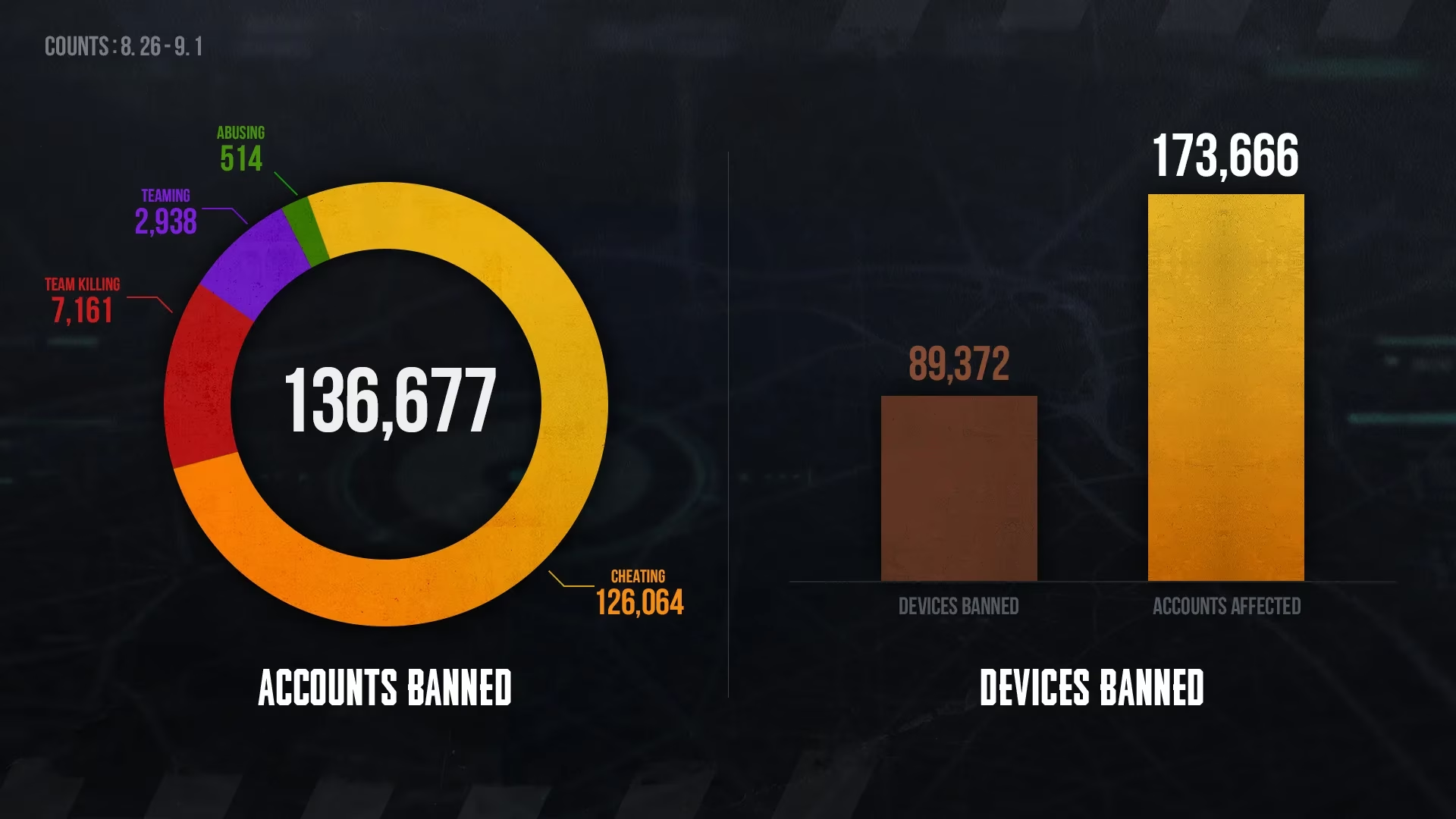
The report Marco followed covered a specific investigation period: 2024/08/26 through 2024/09/01. That particular window revealed a large number of permanently banned accounts. Some were caught using aimbots. Others used wallhacks, radar tools, or speed hacks. The anti-cheat team did not always explain the exact software used in each case, but the message was clear. Misconduct would not be tolerated.
In many cases, the names published in the list had their first three letters replaced with an asterisk. This small detail protected some degree of privacy while still allowing the community to see that action had been taken. It was an unusual system, but it worked. Players could check if a suspicious opponent had been punished, even if they could not see the full nickname.
The table below shows how such a list might appear, using placeholder names that follow the same masking style found in the official notice.
| In-Game Nickname | Reason | Action |
|---|---|---|
| *xample_Player | Illegal software | Permanent ban |
| *heaterSniper | Aimbot | Permanent ban |
| *ootLooter | Unauthorized program | Permanent ban |
| *allHacker99 | Wallhack | Permanent ban |
| *peedRunner_X | Speed hack | Permanent ban |
Marco noticed that some weeks were heavier than others. After major updates, the number of bans often spiked. Cheaters tried to adjust their tools. The anti-cheat team adjusted too. It was a constant game of cat and mouse.
Why Permanent Bans Matter
Permanent bans are the strongest punishment a game can issue. They remove the offending account permanently. For many players, this means losing hundreds or even thousands of hours of progress. It also means losing purchased skins, seasonal rewards, and ranked achievements. The fear of losing a valuable account is real.
PUBG encouraged players to protect their accounts through Steam Guard Mobile Authenticator. Marco had set it up years before. He understood that account security was not just about preventing theft. It also prevented someone from using his account for illegal software. If an account was compromised and used for cheating, the ban could still land on the rightful owner.
Setting up Steam Guard Mobile Authenticator is simple. In practice, a player only needs to open Steam, navigate to account security settings, and enable the authenticator on a mobile device. Steam then asks for codes during new logins. It is an extra layer of protection. For Marco, it was one of the first things he recommended to new players.
The Reporting Path
The weekly banned list was not the starting point. It was the end result. PUBG repeatedly reminded players to report illegal software and misconduct through in-game reports first. That system collected match data and allowed the anti-cheat team to investigate suspicious behavior directly.
If a player needed additional assistance, they could contact PUBG Support. That step was meant for edge cases. Maybe a report was filed incorrectly, or a player needed to explain a situation in more detail. The support team could then review the matter.
Marco had contacted support only once. A teammate had been banned after a false report. The team reviewed the evidence and restored the account. That experience taught him that the process was not always perfect, but it was fair.
The Community’s Role
No anti-cheat system works alone. Players are the first line of defense. They see the suspicious killcam. They notice the odd movement through smoke. They feel the frustration when a match ends unfairly.
By filing reports, players give the anti-cheat team valuable data. By protecting their own accounts, they reduce the number of compromised profiles used for cheating. By reading the banned list, they see the result of that cooperation.
Marco liked the phrase used by the team: “We highly value your interest and opinions that contribute to PUBG's anti-cheat efforts.” It was not just corporate language. It was a recognition that the community mattered.
Looking Ahead in 2026
By 2026, the fight against cheating had evolved. Detection tools grew smarter. Machine learning helped spot unusual patterns. Still, the weekly report remained a familiar tradition. It was a reminder that behind every lost firefight, there were people working to keep the game fair.
Marco no longer played every night. Life had become busier. But when he did return to the battlegrounds, he still checked the banned players list. It made the game feel safer. It made the effort feel worthwhile.
Fair play is not automatic. It requires constant attention. It requires players to report, to secure their accounts, and to trust the system. The PUBG anti-cheat team promised to do its best to provide a fair gaming environment. For players like Marco, that promise was enough to keep coming back.
PUBG: BATTLEGROUNDS Anti-Cheat Team continues to publish these lists. The names change. The methods change. But the mission stays the same: protect the game, punish the cheaters, and preserve the battleground for everyone.
Key findings are referenced from SteamDB, where public Steam ecosystem data can help contextualize how ongoing anti-cheat actions in PUBG affect the wider player environment—especially around major updates when activity spikes and enforcement waves often become more visible through community discussion and matchmaking quality.