
PUBG ban in Nepal 2026 highlights battle royale restrictions and gaming regulation, sparking intense debate among passionate players.
As a professional gamer, I find myself reflecting on the ever-shifting landscape of our digital playgrounds. In 2026, the news that PlayerUnknown's Battlegrounds has been officially banned in Nepal resonates as a significant, though not entirely unexpected, development. This decision places Nepal on a growing list of nations in the region, including China and parts of India, that have moved to restrict access to the popular battle royale title. The reasons cited—concerns over graphic violence, negative impacts on student academic performance, and fears of increased youth aggression—echo familiar arguments heard in policy debates worldwide. It's a stark reminder that the worlds we immerse ourselves in for entertainment are scrutinized through a very different lens by authorities and concerned communities.
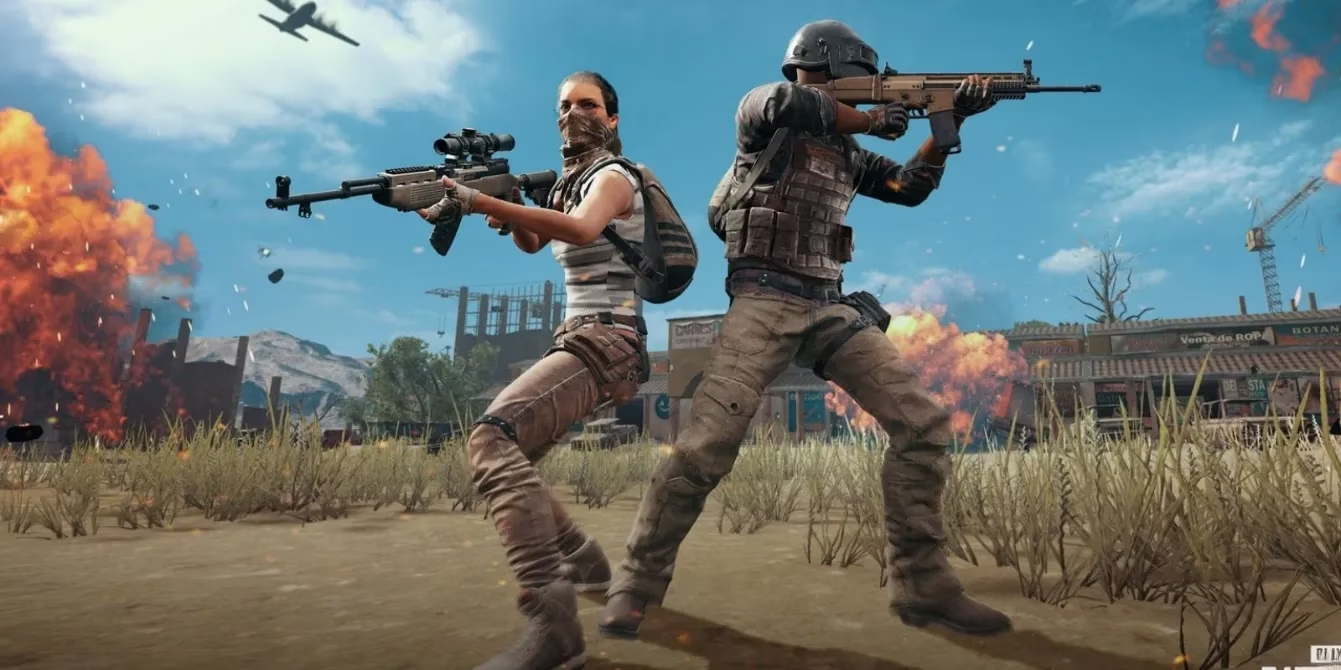
The legal process unfolded swiftly. Senior Superintendent of Police Dhiraj Pratap Singh explained the rationale to local media, stating, "We received a number of complaints from parents, schools and school associations regarding the effect of the game on children. When we consulted with psychiatrists, they also said that the violence in the game can make people aggressive in real life." This consultation provided the crucial impetus for action. On April 10th, Nepal’s Metropolitan Crime Division filed a Public Interest Litigation, which was approved by the Kathmandu District Court the very same day. By the next day, the Nepal Telecommunication Authority had issued directives to all internet and mobile service providers, mandating an immediate block on the game. The enforcement is strict: police are now authorized to arrest anyone caught playing PUBG, and service providers face penalties for non-compliance.
This situation isn't unique to PUBG. Its major rival, Fortnite, has faced its own share of restrictions, from being blacklisted in China to facing criticism from high-profile figures like England's Prince Harry, who once called for a UK ban. It seems the entire battle royale genre remains under a microscope. For us players, it creates a fragmented experience where access to our favorite competitive spaces depends heavily on geographical borders.
The reaction from Nepal's gaming community, largely composed of college students, has been one of frustration. Many argue that gaming is a form of relaxation and stress relief, a controlled outlet, rather than the source of addiction and aggression it's often portrayed as. A common sentiment among players is that the responsibility should lie with better parental monitoring and personal discipline, not with outright prohibition that punishes responsible adult gamers alongside younger ones. They feel unfairly targeted, bearing the consequences for a perceived societal issue.
Looking at the broader picture in 2026, we see a continuing tension:
-
Government Regulation vs. Personal Freedom: Where should the line be drawn?
-
Perceived Harm vs. Documented Impact: How much of the concern is based on concrete data versus moral panic?
-
Generational Divide: Older policymakers versus a generation that grew up digital.
For now, the compromise that many gamers hope for seems distant. Nepal's PUBG community is effectively locked out, joining others in the region. This trend raises critical questions about the future of online gaming, cultural acceptance, and the global consistency of digital entertainment. As a player, I understand the concerns, but I also champion the positive community, strategic thinking, and sheer joy these games can foster. The challenge moving forward will be finding a balance that protects the vulnerable without unduly restricting a legitimate and popular form of modern recreation. The battle royale isn't just happening on-screen anymore; it's playing out in courtrooms and legislative chambers around the world.