
PUBG LABS update rules revolutionize ranked mode with faster Blue Zone tempo and tactical Red Zone changes, enhancing competitive gameplay.
The developers of PlayerUnknown's BATTLEGROUNDS are charting a new course for the game's competitive integrity by directly involving its dedicated player base. In a move that emphasizes community-driven development, the team has opened a dialogue to determine the fundamental rules governing the upcoming ranked competitive mode. This initiative, hosted within PUBG LABS, represents a significant shift towards collaborative design, allowing players to test and provide feedback on proposed changes before they are cemented into the game's core competitive experience. The test phase for these experimental rules, which concluded in early 2025, has set a precedent for how major multiplayer titles can harness player insights to refine high-stakes gameplay.
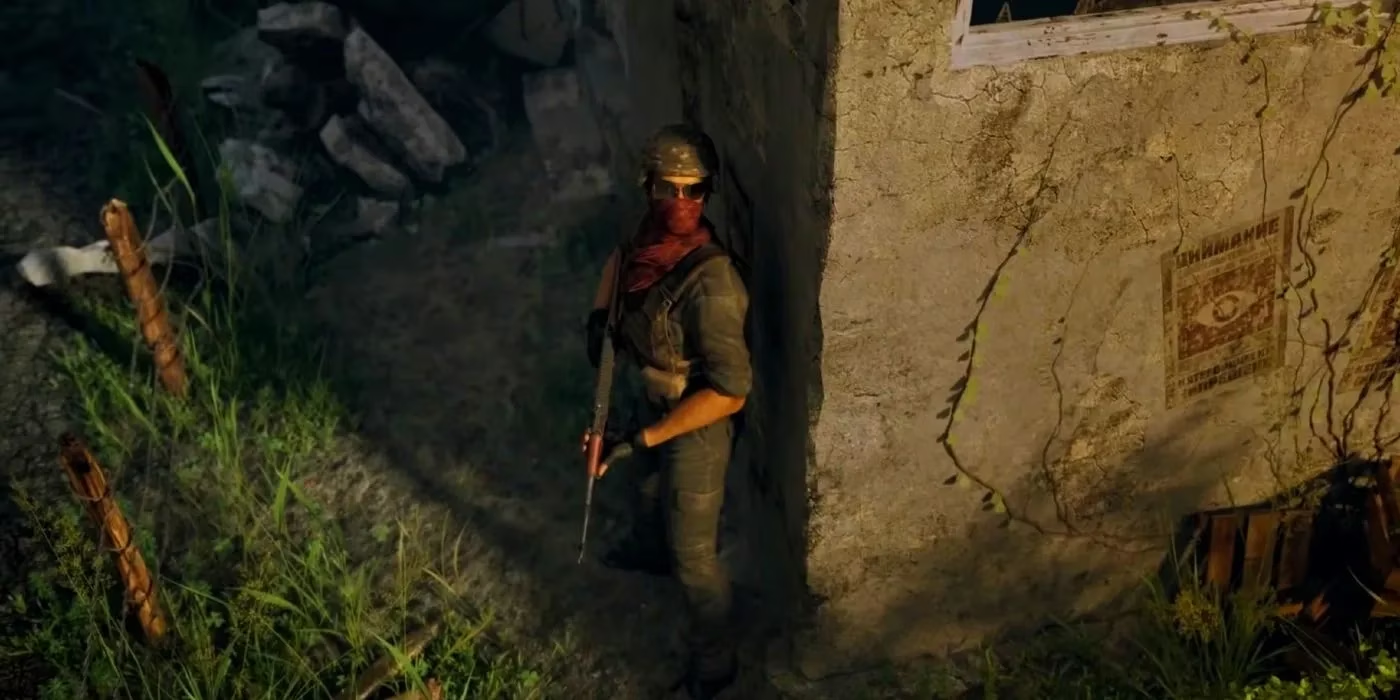
The proposed ruleset for the ranked mode is designed to intensify the classic PUBG formula, focusing on creating a more consistent and action-oriented environment. A central pillar of these changes is the adjustment to the game's pacing mechanics. The infamous Blue Zone, which herds players into increasingly smaller safe areas, will have its tempo significantly increased. This deliberate acceleration aims to reduce passive, late-game camping and instead force more direct confrontations earlier and more frequently. The goal is clear: to prioritize decisive gunplay and strategic rotations over prolonged periods of stealth. Complementing this, loot spawns across the maps are set to be improved, ensuring players can gear up more reliably for the heightened pace of combat, reducing the element of luck in early-game engagements.
Environmental hazards are also receiving a tactical overhaul. The chaotic and unpredictable Red Zones, known for their random artillery strikes, have been recalibrated. Under the new rules, these danger zones are much more likely to occur at the edge of the safe zone. This strategic repositioning transforms the Red Zone from a purely random nuisance into a potential tactical tool or barrier, influencing player movement and zone-edge fights in novel ways. 🎯
However, not all vehicles are welcome in this competitive vision. The announcement brought a notable—and to many, disappointing—exclusion: the Motor Glider. The lightweight aircraft, which added a unique layer of vertical mobility and rotation potential, has been temporarily disabled from the ranked mode ruleset. The developers expressed a need for more time to evaluate its impact on competitive balance, stating they require "more thought into if it is right for competitive play." This decision has sparked considerable discussion within the community, with players actively debating whether the glider's strategic value outweighs its potential to disrupt traditional positioning-based gameplay.
| Proposed Change | Intended Impact on Ranked Play |
|---|---|
| Faster Blue Zone Tempo | Forces engagements, reduces passive play, increases match pace. |
| Improved Loot Spawns | Creates more consistent early-game experiences, reduces RNG. |
| Repositioned Red Zones | Adds predictable, zone-edge tactical hazards to influence rotations. |
| Motor Glider Disabled | Removes aerial rotation for evaluation, maintains ground-based focus. |
This open call for feedback marks a pivotal moment for PUBG's relationship with its community. For years, the game has thrived on the intense, heart-pounding gameplay loop it pioneered—long stretches of tense silence shattered by brief, lethal firefights. By inviting players into the design process for its ranked mode, the development team is acknowledging that the guardians of this experience are the players themselves. While past communication has sometimes faced criticism, this transparent approach to building the competitive framework is a strong step toward fostering an honest and productive dialogue. The community's response will be instrumental in shaping what a "true" competitive PUBG looks like.
Ultimately, the PUBG LABS initiative is more than just a test server; it's a collaborative workshop. Players are no longer just test subjects but co-creators, tasked with stress-testing mechanics and voicing their opinions on what makes competition fair, skillful, and exciting. Whether the final rules include the Motor Glider or solidify a faster, loot-rich battlefield will be a direct result of this partnership. As the game continues to evolve in a landscape filled with other battle royale giants, this community-focused strategy could be the key to preserving PUBG's unique identity and ensuring its competitive scene is built on a foundation players believe in. The message from the developers is clear: the future of PUBG ranked is a conversation, and every player has a seat at the table.