
PUBG custom matches, the highly anticipated feature, may shift to a paid model, sparking passionate debate among players over monetization and satisfaction.
Players of PlayerUnknown's Battlegrounds, often referred to as PUBG, experienced a rollercoaster of emotions recently. Initial jubilation over the introduction of custom games to the test servers was quickly tempered by a sobering revelation from the developers, PUBG Corp. While the community had long clamored for the ability to tailor their own matches—setting parameters for game modes like zombie survival or selecting specific maps—the celebration proved premature. In a detailed announcement on the Steam platform, the developers dropped a significant caveat: this highly requested custom match feature, currently in a free beta phase, might transition to a paid model in the future. This news has cleaved the player base, igniting a fiery debate about the game's direction and the balance between monetization and player satisfaction.
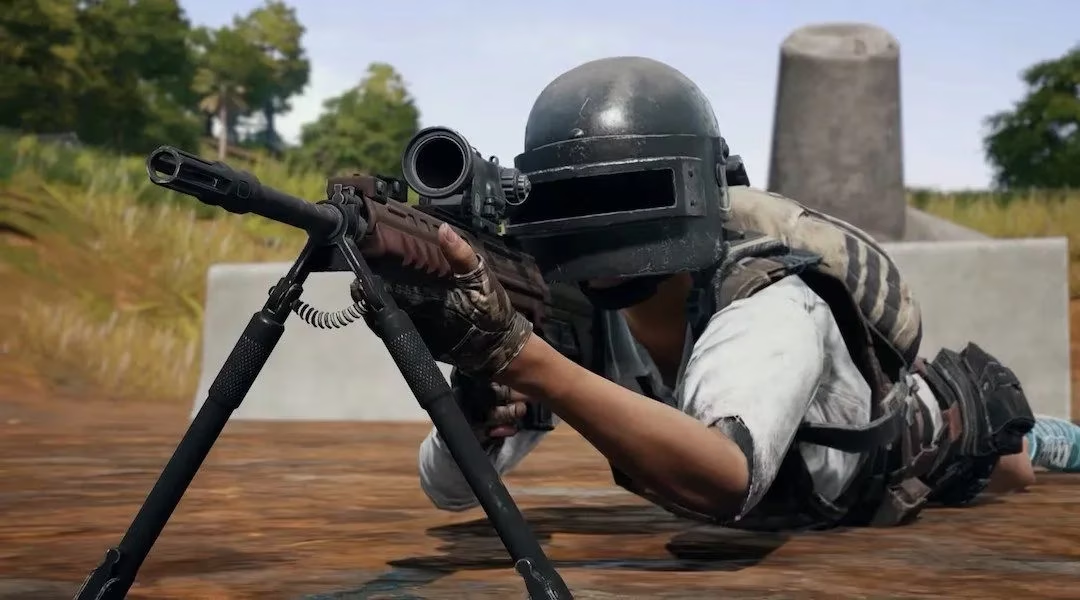
The Developer's Rationale for a Potential Fee
The core of PUBG Corp.'s argument hinges on sustainability and performance. The studio clarified that provisioning custom matches for its colossal global player base demands an "extremely large amount of resources." To ensure the system operates without hitches and remains viable for the long haul, introducing an "associated cost" might become a necessity. The developers framed this not as a desire for profit, but as a pragmatic requirement to "ensure everything runs smoothly and the system remains sustainable long-term." They emphasized their openness to community feedback, promising to unveil more specifics about this prospective business model later. This move is positioned as an investment in stability, a crucial factor for a game whose history is checkered with technical troubles.
A Community Divided: Pragmatism vs. Principle
The announcement has left the PUBG community fragmented, with opinions starkly divided.
The Pragmatic Camp: A segment of the player base expresses understanding, even support, for the potential move. Their stance is heavily influenced by the game's notorious and persistent technical struggles. Players recall instances where PUBG Corp. had to entirely retract major updates, including a widely anticipated anti-cheat overhaul, due to game-breaking bugs. As the game's popularity skyrocketed, issues like severe lag and unstable framerates became commonplace annoyances for millions. For these pragmatic fans, if a subscription or one-time fee for custom matches guarantees a seamless, dedicated server experience free from these pervasive problems, then the trade-off is justified. They view it as paying for quality assurance and dedicated infrastructure.
The Disappointed Camp: Conversely, a large and vocal portion of the community feels let down and wary. This skepticism isn't born in a vacuum; it arrives on the heels of another contentious monetization episode: the game's Event Pass. Many players criticized the pass for offering poor value, a sentiment exacerbated by technical glitches that hampered its implementation. Although PUBG Corp. attempted to mend fences with goodwill gestures like bonus XP events, the suggestion of placing custom matches behind a paywall is perceived by many as a regressive step. They argue it risks eroding the recently rebuilt goodwill and alienates a community that has supported the game through its rocky development. The fear is that core, community-driven features are being monetized, shifting the game's ethos.
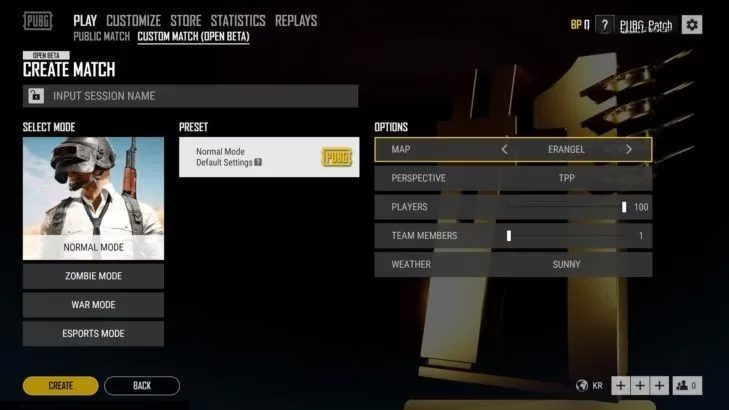
The Broader Context: Monetization in a Competitive Landscape
This debate occurs within a highly competitive and evolving gaming ecosystem. By 2026, players have grown accustomed to various monetization models, from free-to-play with battle passes to premium subscriptions for enhanced content. PUBG Corp.'s deliberation reflects this industry-wide balancing act. The key questions they, and the community, grapple with are:
-
What constitutes a "premium" feature worthy of direct payment?
-
How does this affect the game's accessibility and community growth?
-
Can technical performance truly be guaranteed with a paid model?
Players are drawing comparisons with other titles, wondering if a tiered system—with basic custom games remaining free and advanced, resource-intensive options requiring payment—might be a more palatable compromise.
Looking Ahead: A Critical Juncture for PUBG
As PUBG Corp. gathers feedback, the future of custom matches hangs in the balance. The developer's next steps will be scrutinized more than ever. A clumsy or overly aggressive monetization strategy could indeed "undo that goodwill" they've worked to restore. However, a transparent, fairly priced model that demonstrably improves game stability and adds value could potentially be accepted. The community's response underscores a fundamental tension in live-service games: the need for developers to fund ongoing support and innovation versus the players' expectation that core social and creative tools remain accessible. The resolution of this custom matches quandary will likely set a precedent for how PUBG navigates its relationship with its dedicated player base in the years to come. The ball is now in PUBG Corp.'s court to demonstrate that their primary goal is enhancing the player experience, not just the bottom line.