
A 2021 PlayerIGN leak hinted PUBG might go free-to-play, reviving a shelved 2019 plan and raising fresh battle royale competition questions.
In the summer of 2021, the PUBG rumor mill started humming again. A well-known leaker in the battle royale scene, PlayerIGN, dropped a claim that made the community sit up straight: Playerunknown's Battlegrounds might be preparing to go free-to-play. According to the leak, PUBG Corp planned to track player responses during a free-to-play week supposedly scheduled for the following month. If the feedback looked strong enough, the developers could pull the trigger on a permanent switch. For a game that had charged an entry fee since its early-access days, that was no small potatoes—a genuine game changer if it came to pass. The claim was not exactly a shot in the dark, either. The leaker pointed out that PUBG's developers had wanted to go free-to-play all the way back in 2019, just a few years after the game first hit early access. Back then, however, the player response from a free-to-play test did not justify the move. The numbers apparently did not read the room the way PUBG Corp had hoped, and the plan was shelved.
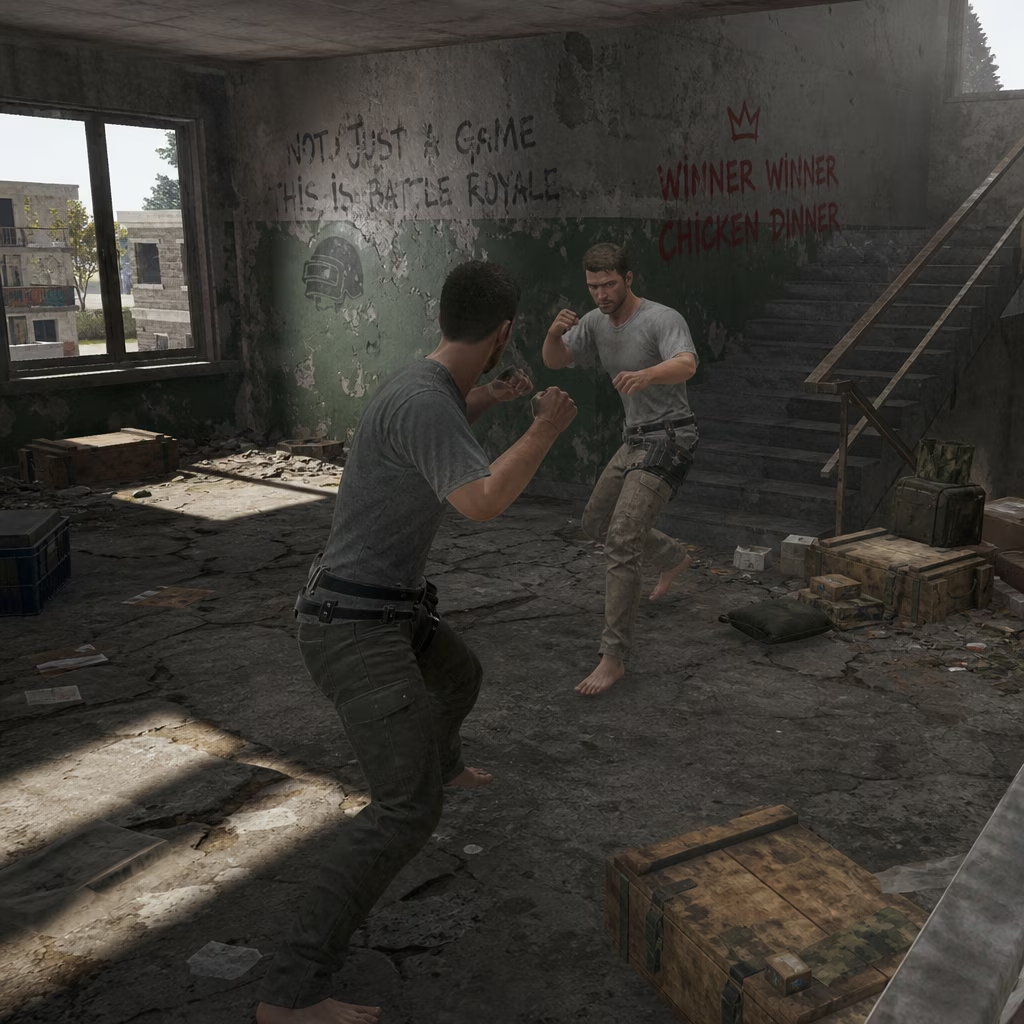
Two years later, in 2021, PUBG Corp seemed ready to give it another go. 🎯 The timing was interesting. A free-to-play period had not actually been announced by the developers, so the leak had to be taken with a grain of salt. The rumored August window was just that—rumored. Still, for a battle royale game that had been through plenty of ups and downs, the idea offered a new lease of life. It also raised a familiar question: could PUBG compete with the free-to-play giants that dominated the space? The writing was already on the wall for paid multiplayer games, and PUBG's developers knew it.
The free-to-play idea was not entirely foreign to PUBG Corp. A separate, lighter version called PUBG Lite had already existed, a significantly easier-to-run build of the base game that let players with weaker rigs get into the action. PUBG Lite had been a smart play for emerging markets and low-spec audiences. But it was shut down in May 2021, and the COVID-19 pandemic reportedly factored into the closure. That decision left a gap in PUBG's strategy: if the main game stayed paid, and the lightweight version was gone, the free-to-play crowd had fewer doors to walk through.
Meanwhile, PUBG was not sitting still. In July 2021, the game received a brand-new map called Taego. It arrived on PC on July 7 and on consoles about a week later, on July 15. Taego was colossal—eight square kilometres in total—and it marked the first map of that size in well over three years for the shooter. 🕹️ For players who had been messing around on the same battlegrounds for ages, Taego felt like a breath of fresh air. It also showed that PUBG Corp was still investing in the core game, even while the free-to-play question hung in the air.
Here's a quick look at how the story stacked up:
| When | What happened |
|---|---|
| 2019 | PUBG Corp tested a free-to-play model but did not get the player response it wanted |
| May 2021 | PUBG Lite was shut down, with the pandemic reportedly playing a part |
| July 2021 | Taego, an eight-square-kilometre map, launched for PC and consoles |
| August 2021 (rumored) | A free-to-play week was said to be planned, though never officially announced |
| 2022 | PUBG: BATTLEGROUNDS eventually went free-to-play, vindicating the leak |
That last row is the kicker. Looking back from 2026, the 2021 leak reads less like a wild rumor and more like a blueprint. PUBG: BATTLEGROUNDS did eventually make the free-to-play jump in January 2022, and the battle royale landscape has not been the same since. The move brought in a wave of new players, sparked plenty of debate about cheaters and monetization, and turned a premium battle royale into a full-blown live-service beast. In other words, PlayerIGN's claim was not just smoke and mirrors. It was the writing on the wall, spelled out a few months early.
Of course, the road was not a straight line. The 2021 leak mentioned that PUBG Corp would keep its powder dry until it saw how the community responded. That cautious approach made sense. Going free-to-play is a high-stakes gamble: it can blow up a game's player count, but it can also blow up its economy if the monetization is not tuned just right. PUBG Corp had already learned that lesson in 2019, when the free-to-play test failed to deliver the response the team wanted. The second attempt had to be more than a shot in the dark; it had to be a calculated play.
There was also the matter of PUBG's wider universe. In 2021, rumors swirled that another PUBG-related game would launch later that year for PC and consoles. That kind of expansion showed that PUBG was not just a single battle royale anymore—it was a brand with legs. A free-to-play main game could act as a funnel, bringing fresh eyes into the ecosystem while spin-offs and experimental projects kept the faithful engaged. It was a long game, and PUBG Corp was playing it.
By 2026, the free-to-play debate feels almost quaint. PUBG has been free for years, and the community has largely accepted the trade-offs that come with it. But the 2021 leak remains a fascinating snapshot: a moment when a leaker, a rumored test week, and a community's response held the future of a giant in the balance. The lesson? In the battle royale business, nothing stays premium forever. Sometimes the rumor mill gets it right—and when it does, the whole lobby changes.