
PUBG: Battlegrounds free-to-play redefines the battle royale with tactical gunplay and eight unique maps. It invites deeper tactical play.
When PUBG: Battlegrounds removed its $30 price tag on January 12, 2022, it was more than a business decision—it was a statement. The game that had helped turn the battle royale from a DayZ mod curiosity into a global phenomenon was finally opening its doors to everyone. More than four years later, in 2026, that leap looks less like a gamble and more like a necessary evolution. Dave Curd, the game's creative director, framed it simply: 'We came to the decision to make PUBG: Battlegrounds free-to-play because we feel that it is truly the right time.' For millions who had watched from the sidelines, the moment had arrived.
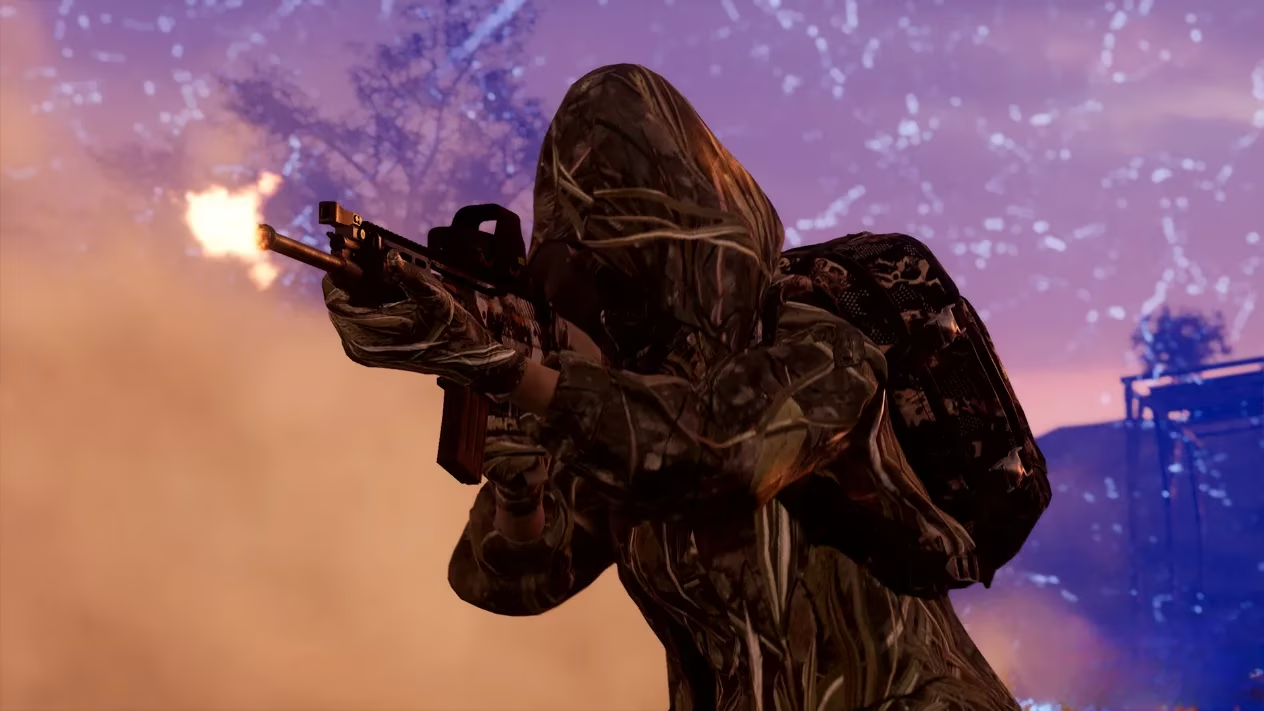
The shift did not happen in a vacuum. Since PUBG entered Steam Early Access in March 2017, the battle royale genre had become crowded. Apex Legends, Call of Duty: Warzone, and Fortnite had grown into free-to-play titans, each with constantly shifting metas and storefronts designed to keep massive player bases engaged. From the outside, it was easy to assume PUBG Corp was reacting to that success. Curd pushed back firmly: 'This is in no way a response to the other titles you've mentioned. They're all great games which specialise in their own unique strengths, just as we do.' The studio, he insisted, developed independently and was excited about what was to come.
What PUBG offered was different. Curd described the game as 'the best it has ever been,' pointing to eight unique maps and deep weapon mechanics. Those maps supported a diverse range of play-styles, while the gunplay rewarded patience and purposeful shot placement. Compared with its more forgiving rivals, PUBG leaned harder into realism. Tense shootouts, heavier movement, and a steep skill ceiling made it a tactical alternative rather than a clone. The free-to-play transition was not about chasing trends—it was about inviting more people to experience that distinct flavor.
| Feature | PUBG: Battlegrounds | Typical Free-to-Play Rivals |
|---|---|---|
| Tone | Realistic, tactical | Faster, more arcade-leaning |
| Maps | Eight unique maps | Rotating or fewer large maps |
| Gunplay | Heavy recoil, high skill ceiling | More forgiving, streamlined |
| Entry Price | Free (Battlegrounds Plus optional) | Free |
Going free-to-play opened more than a door. Curd saw it as a chance to introduce new featuresets, renew commitments to the community, and grow the franchise before games set in the wider PUBG universe—such as The Callisto Protocol, which has since launched—arrived. 'It has absolutely opened up opportunities,' he said. 'We can invite more people to the party and that means we'll see developments that we may not have witnessed with the previous pay-to-play model.' The studio promised to keep innovating, creating new experiences, and expanding the universe.
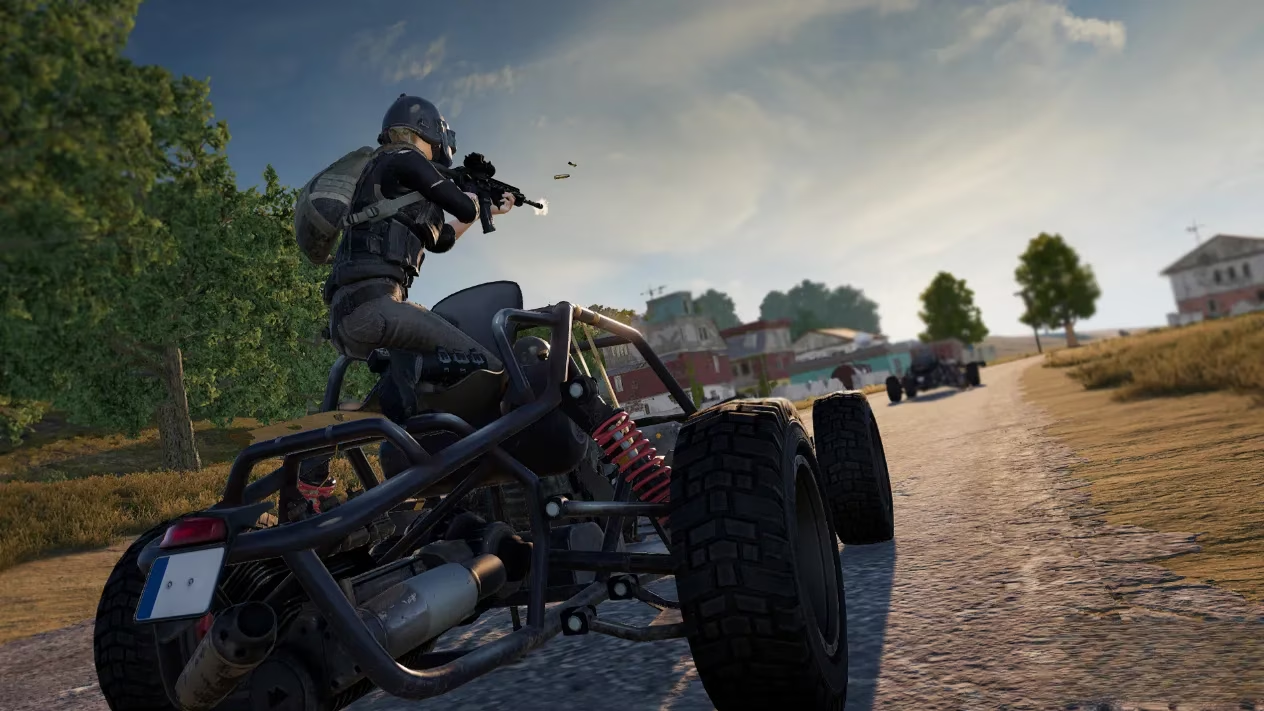
For longtime players, change can be unsettling. Curd was quick to reassure them: 'Despite the transition, the core game is still the core game.' The evolution would come through additions like Tactical Gear, action queuing, and a revamped tutorial system. Newcomers would be welcomed with open arms and helped to hit the ground running. A brand-new shooting gallery, Curd predicted, would be a big hit. The goal was not to dilute PUBG but to give fresh survivors the tools to survive Erangel and beyond.
Server stability was another natural concern. With more than 75 million copies sold across PC and console before the transition, PUBG was already one of the best-selling games of all time. Curd said the health of the servers would not be impacted, adding that the team would continue monitoring and updating them regularly. The studio had also tested the waters. In August 2021, PUBG held a week of free play. Rumors swirled that it was a trial run for a permanent free-to-play offering, and those rumors turned out to be correct. 'We saw a lot of success and an influx of new players when we held Free Play Week last year,' Curd recalled. 'The sentiment and feedback we saw during the Free Play Week only bolstered our decision to make a permanent transition.'
Cheating remained a shadow over the free-to-play market. PUBG Corp's proprietary anti-cheat solution, Zakynthos, had been under scrutiny. During the August Free Play Week, the ratio of suspected cheaters spiked after the event started but eventually recovered and settled in line with previous numbers. The anti-cheat team acknowledged the ongoing battle: 'The battle with cheaters continues as PUBG: Battlegrounds enters the free-to-play world, but we are dedicated and doing all we can to ensure that you not only hear about, but feel the effects of our anti-cheat solutions for yourselves.'
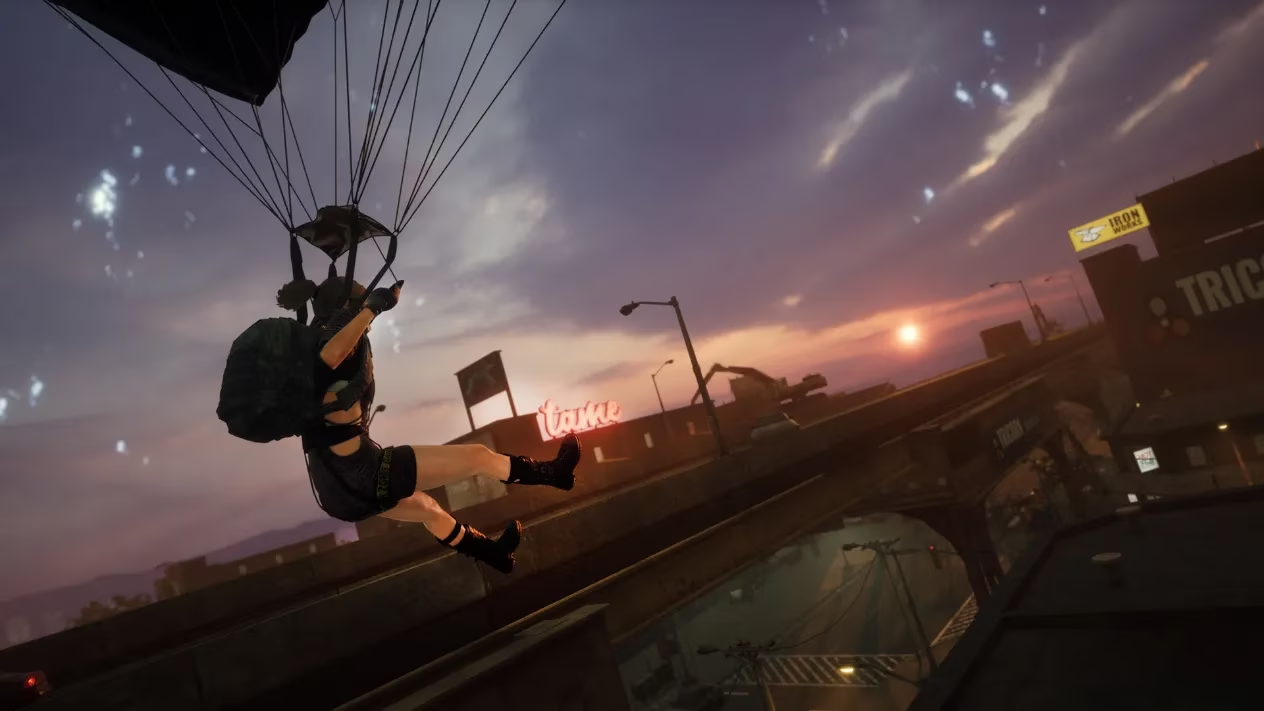
For those who had already bought the game, PUBG Corp designed a Commemorative Pack as a thank-you. It included unique cosmetics and free access to Battlegrounds Plus. 'We think it is only fair to give a little extra to fans who have purchased PUBG: Battlegrounds before we transitioned to free-to-play,' Curd said. Existing owners received the pack automatically, while new players would need to pay $12.99 for Battlegrounds Plus, which unlocked ranked mode, custom matches, in-game skins, G-Coin, and other benefits.
Looking back from 2026, the free-to-play switch stands as PUBG's most significant change since its Early Access debut. It grew the community, welcomed new players, and kept the core experience intact. The battle royale landscape remains competitive, but PUBG still offers a distinctive contrast: slower, heavier, and more deliberate than Apex Legends, Warzone, or Fortnite. As Curd put it, 'This is the natural next step and a great way to introduce more players to our universe.' The party, it seems, is still going.
🎮 In the years since, PUBG: Battlegrounds has continued to evolve, but the free-to-play decision remains the moment the pioneer chose to widen its circle rather than guard its gates.