
PUBG Meta Rotation elevates LMGs with faster reloads and steadier recoil, reshaping combat in the first four-month weapon cycle.
When the August 2026 update rolled onto live servers, PUBG's battlefields began to breathe a different rhythm. Squads that had spent years defaulting to assault rifles suddenly found themselves pausing over weapon choices. The reason was not a single buff or a quiet statistic tweak; it was Meta Rotation, a long-term initiative first teased in the March 2026 Roadmap and now finally taking its first step. The development team had promised a shift away from a structure where a few weapons dominated for extended periods. With the first rotation, that promise became tangible. Light machine guns, long treated as situational picks, stepped into the spotlight.
Meta Rotation is designed to move in cycles of roughly four months. Instead of preserving the existing meta with cautious balance changes, it intentionally reshapes the flow of combat. Each rotation features a weapon or weapon class that receives bold adjustments, develops its own identity, and then steps back as a new featured weapon takes over. The goal is not merely to adjust numbers but to create distinct gunplay experiences that players remember long after a rotation ends. For the first chapter, the team chose LMGs. The decision was deliberate. LMGs had always carried a clear identity: large magazines, exceptional sustained firepower, and the ability to suppress, but their long reloads and difficult recoil kept them from becoming a true staple. Those same traits, however, gave them the greatest potential to change how fights unfold.
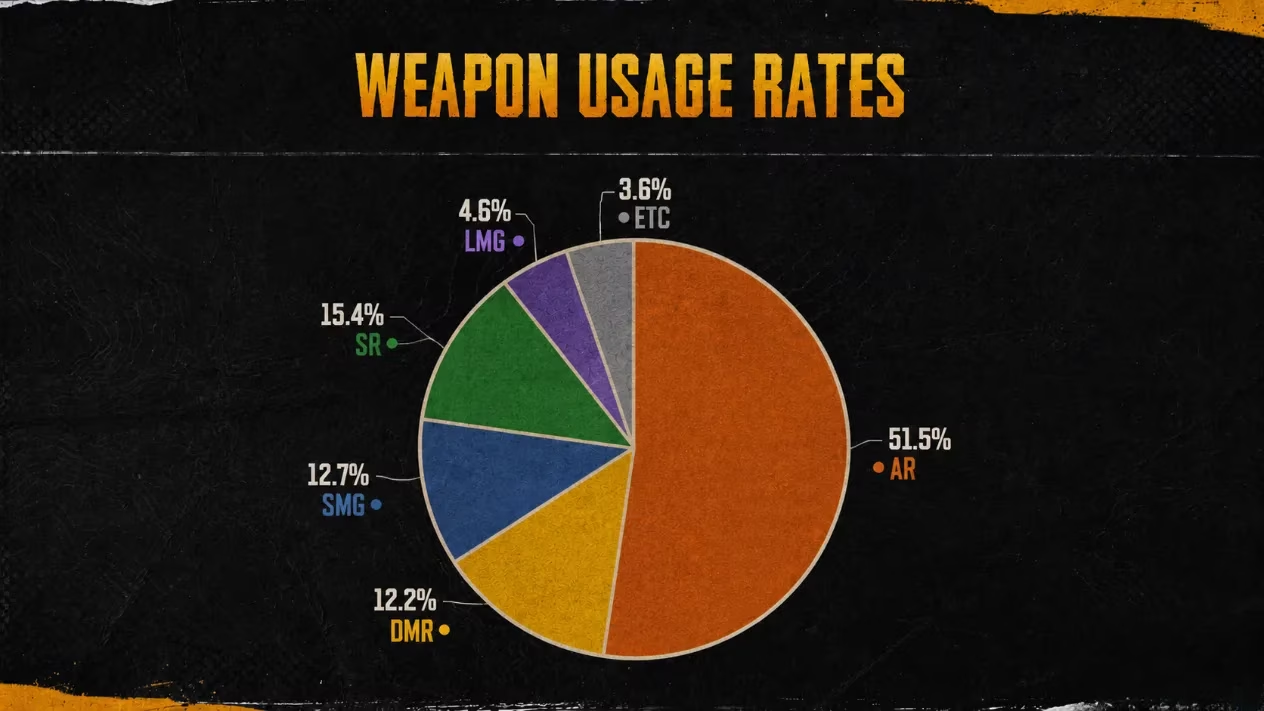
The numbers told part of the story. Automatic weapons such as ARs and SMGs averaged around 3.4 seconds to reload, while LMGs previously required about 8 seconds—more than twice as long. That gap was one of the main reasons players hesitated. In the first rotation, all LMGs received an approximately 25% reload reduction, bringing base reload times down to around 5 seconds. The team wanted to preserve the identity of LMGs as slower-reloading weapons while removing the burden that made them feel punishing.
Recoil received similar care. Previously, LMGs had a distinctive pattern: vertical recoil spiked sharply before settling, and strong horizontal recoil made sustained automatic fire difficult. The update reduced the peak vertical recoil during sustained fire by about 10%, while increasing recoil after the recovery point by 10%. Horizontal recoil was reduced by up to 30%. The result was a weapon class that still felt like an LMG—weighty, deliberate, and powerful—but no longer unpredictable.
| 🔧 Adjustment | Previous | After Rotation |
|---|---|---|
| Average LMG reload | ~8 seconds | ~5 seconds (≈25% reduction) |
| Peak vertical recoil during sustained fire | Baseline | ~10% lower |
| Recoil after recovery point | Baseline | ~10% higher |
| Horizontal recoil | Baseline | Up to 30% lower |
The first rotation also introduced RPD, the first new LMG in nearly two years. Chambered in 7.62mm, RPD delivers high per-shot damage and stable handling. It comes with a 50-round magazine by default, expandable to 110 rounds, allowing players to lean fully into sustained firepower. Alongside the M249, which excels with a higher rate of fire and faster muzzle velocity, and the MG3, RPD gives the LMG class multiple viable identities. The team encouraged players not to search for a single definitive choice but to find the LMG that best suits their playstyle. During this rotation, all LMGs—including the M249 and MG3—were strengthened into powerful options.
-
🔫 RPD: 7.62mm, high per-shot damage, stable handling, 50-round default magazine expandable to 110 rounds.
-
💥 M249: higher rate of fire and faster muzzle velocity for sustained pressure.
-
⚙️ MG3: a distinct LMG option within the strengthened class.
For players, the shift was immediate. A squad holding a compound with LMGs could lay down suppressive fire that felt more sustainable. Loadouts that shared ammunition with DMRs and SRs opened new strategic possibilities. Vehicles approaching a contested ridge had to respect the counterplay that sustained LMG fire provided. The battlefield no longer revolved solely around AR duels; it began to reward players who managed heat, reload timing, and positioning around the unique strengths of the class.
Meta Rotation will continue in cycles of approximately four months. During each rotation, the featured weapon receives more significant balance adjustments to ensure it becomes a defining part of the battlefield. Once the rotation ends, the weapon steps out of the spotlight, its adjustments return to a standard level, and a new featured weapon takes center stage. The development team has emphasized that it will monitor gameplay data and make adjustments where necessary to preserve a healthy weapon ecosystem. The second Meta Rotation is scheduled to begin with Update 44.2 in December 2026, leaving players to wonder which weapon will define the next chapter.
For PUBG, Meta Rotation marks a new beginning. The first rotation gave LMGs a chance to reshape combat, and in doing so, it reminded players that the battlefield can change not only through new content but through a deliberate rethinking of how weapons live in the meta. As the LMG era unfolds, squads are already adapting, and the next rotation waits just beyond the horizon.