
The PUBG 4th Anniversary Graffiti Contest celebrated squad spirit, community creativity, and player-made art with exciting in-game rewards.
A regular player scrolling through old PUBG announcements in 2026 would find a surprisingly charming relic: the official call for the PUBG 4th Anniversary Graffiti Contest. The original post framed the number four as more than a random milestone. It pointed to squads, the heart of PUBG’s team-driven chaos, and thanked survivors for four years of love and support. The contest itself was a chance for players to leave a literal mark on the Battlegrounds, and it remains a useful example of how community creativity can be woven into a live game.
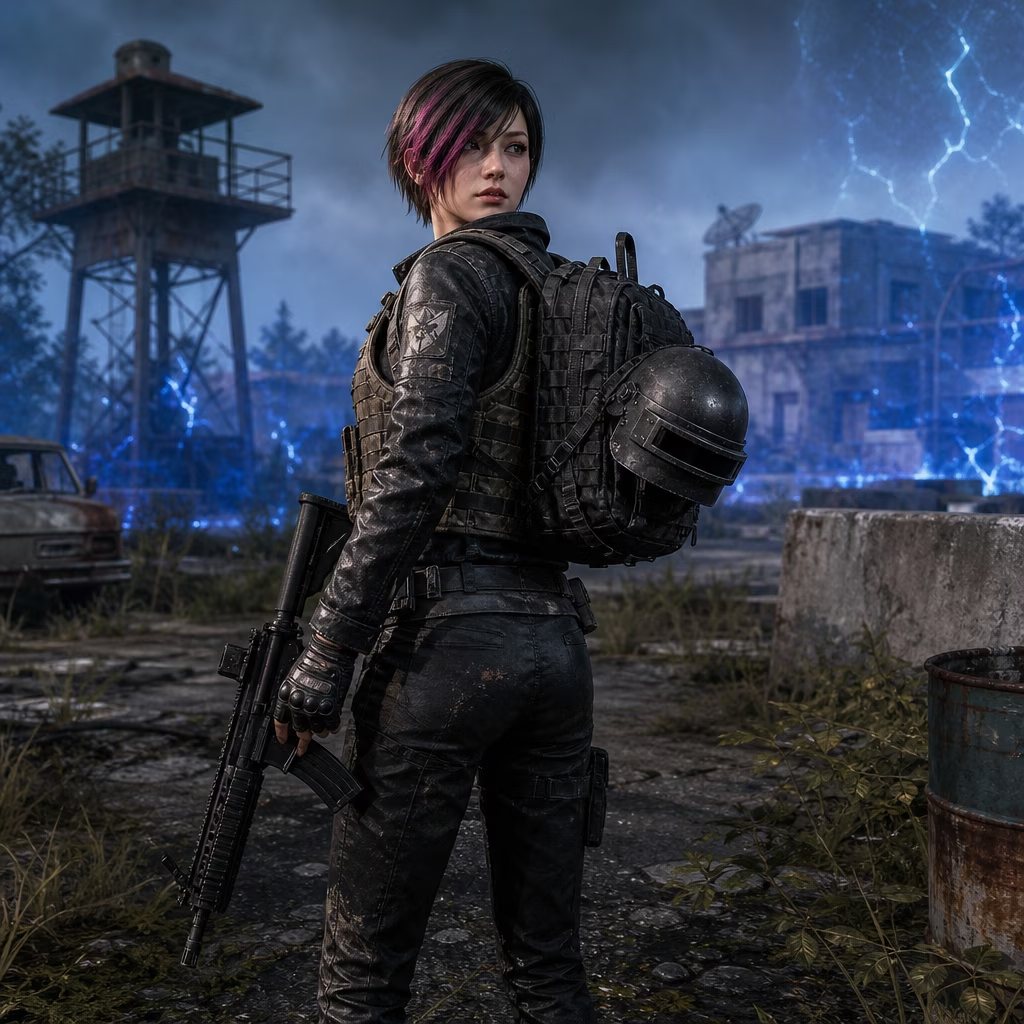
The Pitch: Art With a PUBG Attitude 🎨
The idea was simple enough. PUBG already uses graffiti across its maps to add atmosphere. Some scrawls feel like warnings from survivors of days past. Others are silly doodles that cut through the tension of a battle royale match. The anniversary contest asked players to add their own voice to that visual language. A design could inspire teammates, confuse enemies, or be so oddly hilarious that someone stops to admire it and promptly gets shot in the head. That last part, honestly, sounds very PUBG.
The themes were broad but unmistakably tied to the game. Players could celebrate the fourth anniversary, spotlight squads, revisit favorite PUBG memories, or even design something for a cool Photo Zone. Logos, typography, characters, and sketches were all fair game as long as they fit the theme. The contest did not demand professional illustration skills. It demanded personality, originality, and a clear connection to PUBG.
How the Contest Worked 🛠️
Participants downloaded an official template and created a unique anniversary graffiti design. Every entry needed a signature in the top-left corner. That signature had to include the player’s PUBG in-game nickname and the platform they played on, such as Steam, Xbox, PSN, or Stadia. Missing information meant rejection, so the details mattered.
Entries were submitted through social platforms, one per post, and each post needed to include the same nickname and platform information. The original announcement also asked players to use region-specific anniversary tags. That regional layer was smart. It let each community celebrate in its own language while still feeding into one global contest.
The deadline was January 20, 2021. From a 2026 perspective, that date is ancient history, and the contest is long closed. Still, the structure is worth remembering. Players could submit as many works as they wanted, as long as each entry was unique, submitted separately, and followed the rules. Finalists from each region moved on to the next round. Out of 40 finalists, four talented artists would have their artwork added to the game across Erangel, Miramar, and Vikendi. Those four also earned a 40,000 G-Coin prize. The remaining 36 finalists each received 10,000 G-Coin as a participation prize.
| Result | Reward |
|---|---|
| 4 grand winners | In-game graffiti placement plus 40,000 G-Coin |
| 36 finalists | 10,000 G-Coin each |
| All participants | A shot at digital fame and community bragging rights |
Rules, Rights, and Reality Checks 📜
The contest had a long list of rules, and most of them boil down to common sense. Artwork had to be new and original. It could not have been released before. Players needed to keep their original files in case the organizers asked for them later. Submissions had to be public and viewable without restrictions. Entries also had to avoid religious, organizational, or political symbols. Trademarks, music, logos, names, and images belonging to other people or companies were off-limits without express written consent.
The content restrictions were equally clear. No commercial or promotional material for other brands. No obscene, offensive, sexually explicit, or derogatory content. No promotion of alcohol abuse, illegal drugs, tobacco, or actual firearms and weapons. No defamatory remarks about people or companies. No messages that conflicted with the positive image PUBG wanted to associate with the event. And, of course, no illegal content.
The terms and conditions gave KRAFTON broad authority. By submitting, players agreed that KRAFTON could create an in-game version of their design. KRAFTON had full control over the selection criteria and method. It could alter artwork during implementation and use it for publicity. The company also stated that it was not responsible for problems related to the creation, disclosure, or distribution of submitted artwork, except in cases of intentional or gross negligence. Personal information for merchandise shipment was collected only after final winners were chosen and destroyed after shipment. Cheating or defrauding the contest systems was strictly forbidden and could lead to disqualification, future bans from contests, and legal action.
Why It Still Matters in 2026 🔍
By 2026, PUBG has moved well beyond its fourth anniversary. The contest is no longer an active event, and nobody should treat that 2021 deadline as a current opportunity. But the spirit behind it still resonates. Community art contests give players a sense of ownership. They turn fan enthusiasm into something visible inside the game world. They also create small, memorable moments: a ridiculous doodle on a wall, a squad-themed design in a Photo Zone, or a piece of graffiti that makes a player pause for half a second too long.
A regular player looking back at this contest might say it was a neat snapshot of PUBG’s community era. It rewarded creativity, embraced regional identity, and offered real in-game exposure. It also showed that even a battle royale built on tension and suspicion can make room for jokes, art, and shared memories. Four years may not be a traditional milestone, but for PUBG, it was a good excuse to let survivors scribble on the walls. 🎯
Information is adapted from PC Gamer, whose long-running coverage of multiplayer shooters helps explain why PUBG’s 4th Anniversary Graffiti Contest still feels relevant in 2026: community-made art events do more than fill walls with decoration, they reinforce player identity, create memorable social touchpoints, and show how a live-service game can turn fan creativity into part of the world players actually inhabit.